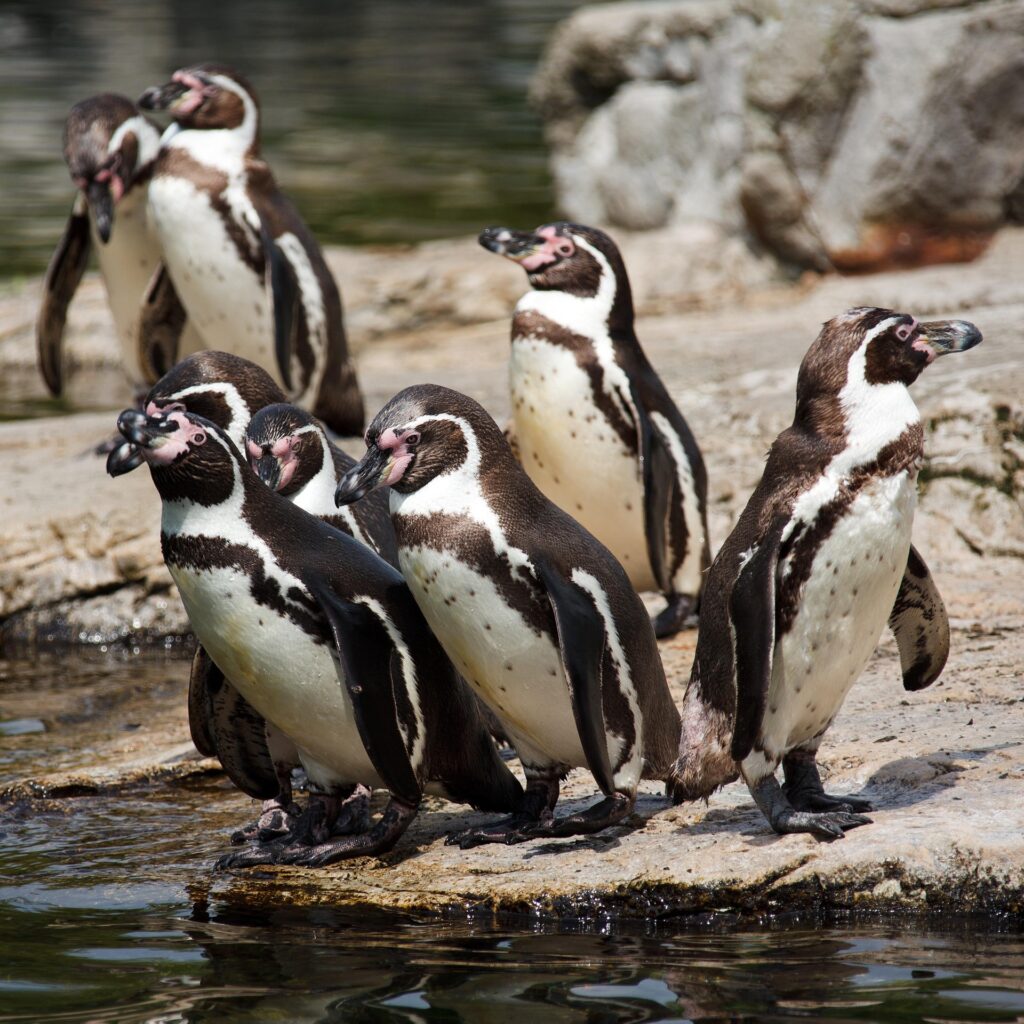
Humboldt penguins are one of the most striking species in the animal kingdom. Their endearing appearance, their way of moving, and their connection to coastal environments spark curiosity in visitors of all ages.
At Marineland Mallorca, observing these animals is also an opportunity to learn more about their behavior, their adaptation to the environment, and the importance of getting to know the species that are part of the planet’s biodiversity.
A fascinating species to learn more about
When we talk about Humboldt penguins, we’re talking about a species that stands out for its adaptability and its connection to specific coastal areas. Its name is associated with the Humboldt Current, a marine system that influences the climate and the lives of many species in the South Pacific.
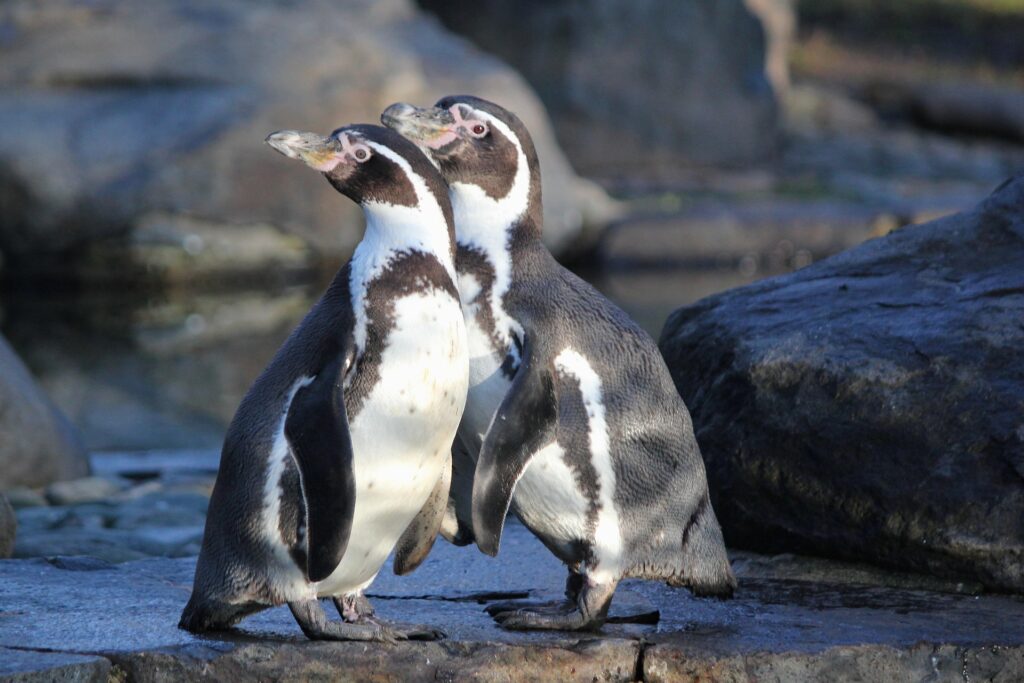
Their presence in a zoological or conservation space allows us to appreciate details that often go unnoticed in a simple image: the way they move, how they interact with each other, or how they rest between periods of activity.
Observing Humboldt penguins up close helps us better appreciate the diversity of marine ecosystems and the need to protect them.
Features that make them unique
Humboldt penguins have very recognizable features. Their compact silhouette, plumage adapted to the aquatic environment, and social behavior make them a particularly interesting species for the general public.
Beyond their appearance, their educational value is enormous. They allow for the simple explanation of concepts such as adaptation, habitat, food, and conservation, always from a close and visual experience.
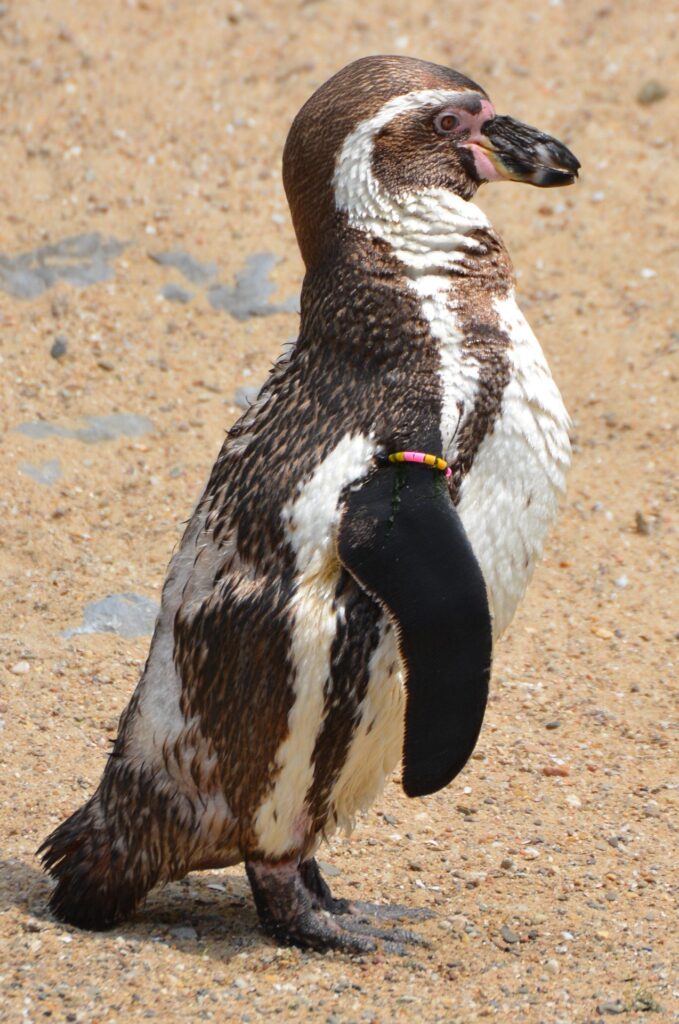
Visible traits and behavior
- Presentan una apariencia muy característica y fácil de identificar.
- Se adaptan bien a entornos vinculados al mar.
- Son animales sociales, por lo que su interacción resulta muy llamativa.
- Su forma de moverse en tierra y en el agua es parte de su encanto.
- Son una especie ideal para despertar interés por la fauna marina.
These traits make Humboldt penguins especially appealing to families, schoolchildren, and anyone interested in nature. Seeing them in action allows you to connect biological information with a real and memorable experience.
Habitat and adaptation to the environment
The habitat of Humboldt penguins is closely linked to coastal areas of the South Pacific. Their lives depend on a marine environment that provides them with food, suitable conditions, and space to thrive.
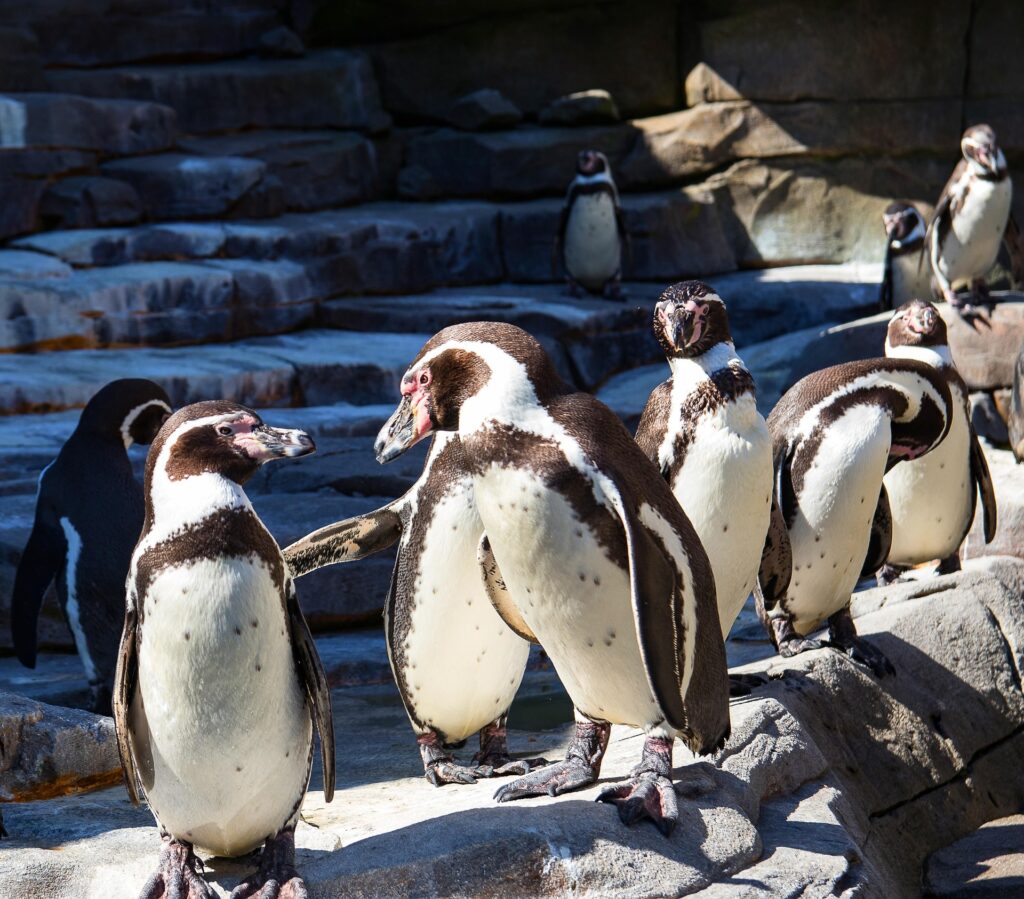
Discussing their habitat also helps us understand that each species needs specific conditions. When those conditions change, their well-being can be affected, which is why environmental conservation is an essential part of their protection.
Why your environment is so important
Humboldt penguins depend on environmental factors that influence their feeding, resting, and behavior. Therefore, understanding their habitat is not just an interesting fact: it’s a way to understand how nature functions in balance.
In a visitor setting, the interest lies not only in seeing the animal, but also in interpreting what its presence teaches us about marine ecosystems. This broader perspective enriches the experience and makes it more educational.
Interesting facts
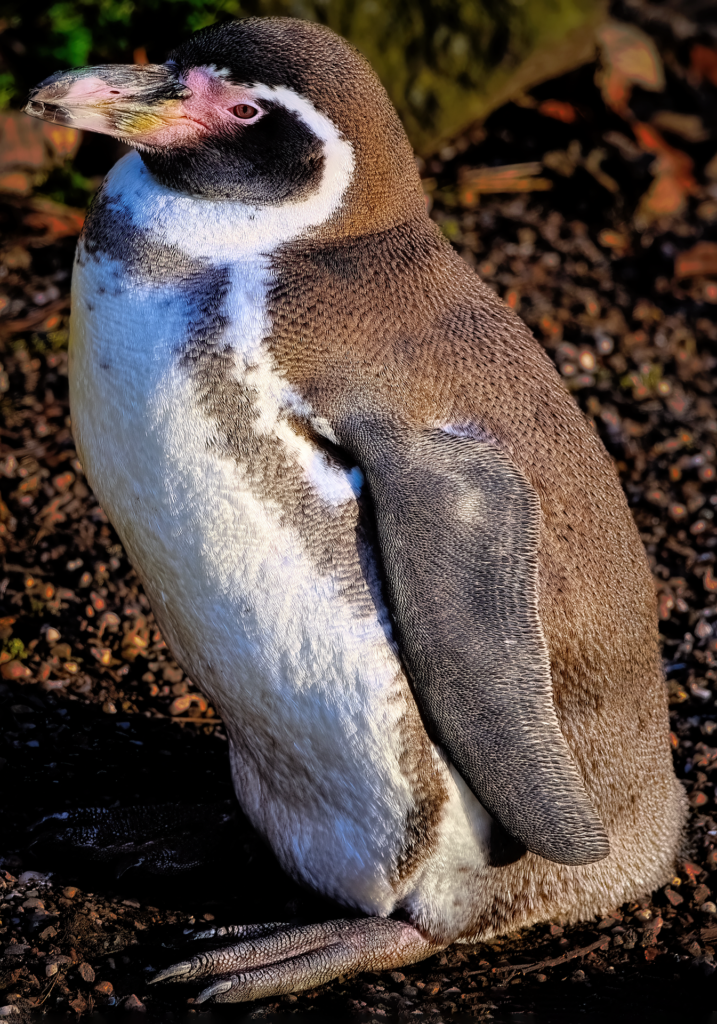
Interesting facts about Humboldt penguins are an excellent way to learn more about this species. Often, it’s the small details that help us remember information and develop empathy for the animals.
Their behavior, their relationship with water, and how they coexist with other individuals offer many opportunities for observation. Furthermore, they are a species that often sparks questions among children and adults alike.
- Su aspecto combina ternura y carácter, lo que los hace especialmente populares.
- Su vida está muy ligada al entorno marino, no solo a la tierra firme.
- Su conducta social aporta mucho interés a la observación en grupo.
- Son una especie muy útil para hablar de conservación de la fauna.
- Su presencia ayuda a acercar la biodiversidad a públicos de todas las edades.
These kinds of curiosities transform the visit into more than just a stroll. The experience becomes an opportunity to learn, observe, and remember why marine life deserves attention and respect.
What does their presence bring to Marineland Mallorca?
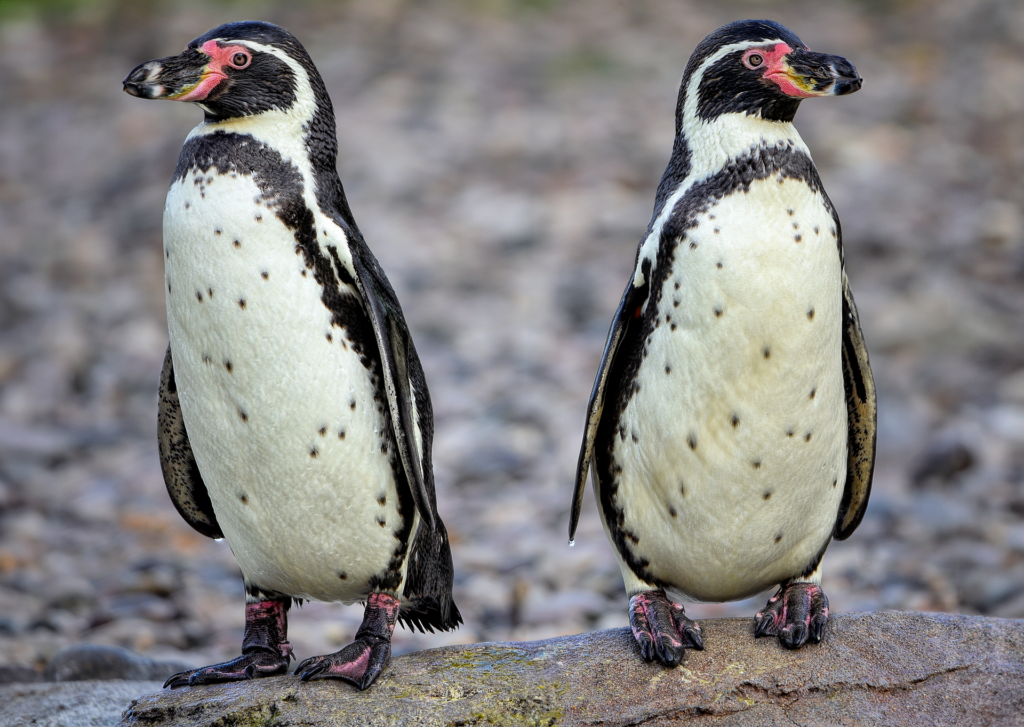
Seeing Humboldt penguins at Marineland Mallorca offers a close and educational experience. Visitors not only observe a charismatic animal but also learn about a species that helps explain the relationship between biodiversity and conservation.
In this context, observation becomes a learning tool. Every behavior, every movement, and every interaction offers an opportunity to better understand the species and its natural environment.
An experience for families and schoolchildren
Humboldt penguins are especially interesting for family outings or educational activities. Their visual appeal captures attention, while their biology and habitat allow for the easy introduction of concepts.
Furthermore, observing animals up close can be a very valuable experience for fostering respect for nature. When a species sparks interest, it can also raise awareness, and that is one of the greatest benefits of sharing it with the world.
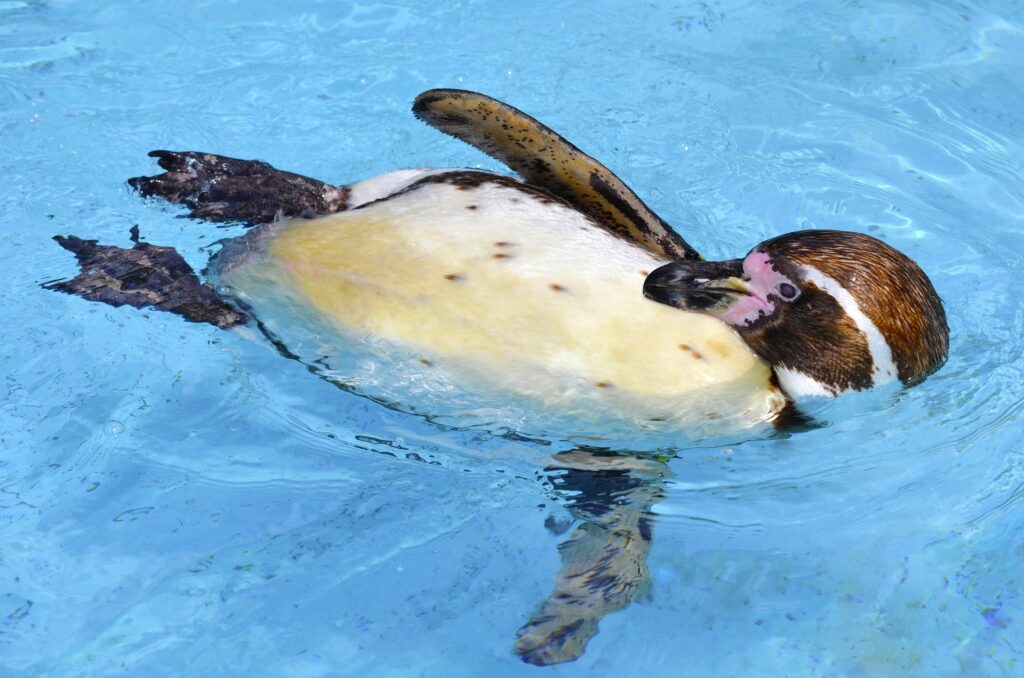
Getting to know a species is the first step towards wanting to protect it.
How to make the most of your visit to learn more
If you visit Marineland Mallorca, taking a few minutes to observe the Humboldt penguins can transform the experience. Notice how they interact with each other, their movements, and how they adapt to their environment.
It can also be helpful to go with some prior knowledge: what they eat, where they live, why their habitat is important, and what makes this species special. The more questions you ask, the more enriching your visit will be.
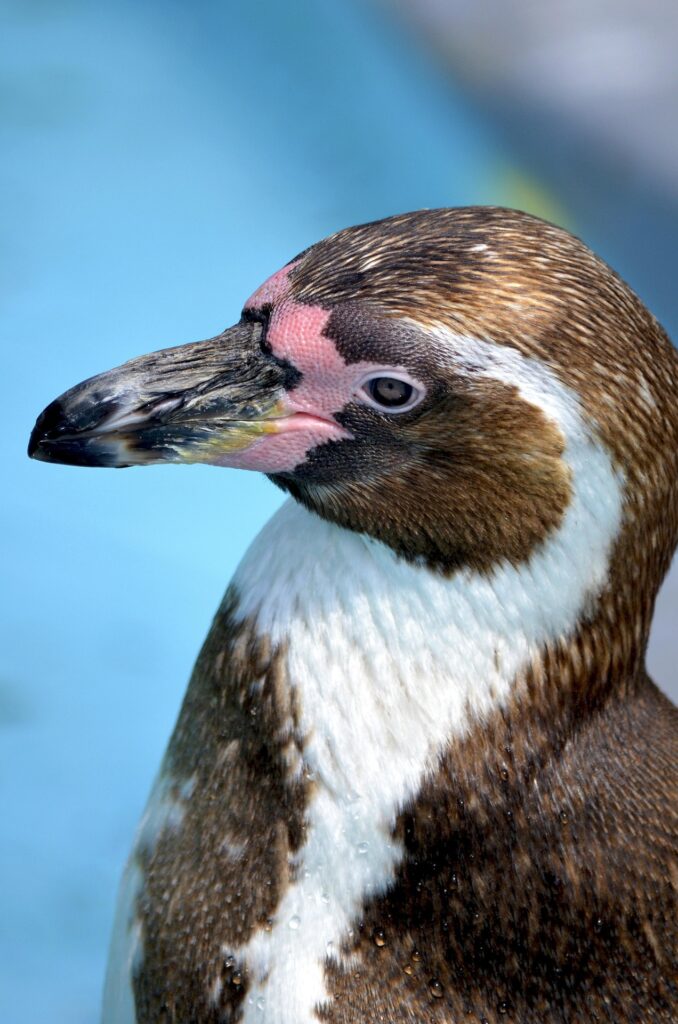
- Observa su comportamiento con calma y sin prisas.
- Relaciona lo que ves con su hábitat natural.
- Comenta con los más pequeños por qué son una especie especial.
- Piensa en la importancia de conservar los ecosistemas marinos.
- Convierte la visita en una experiencia de aprendizaje compartido.
This approach makes the visit more valuable. It’s not just about seeing animals, but about better understanding the natural world and our responsibility towards it.
A species that invites you to look at the sea with different eyes
Humboldt penguins are much more than just a cute and easily recognizable species. They represent the richness of marine ecosystems, the importance of environmental balance, and the value of education through contact with nature.
Knowing their characteristics, their habitat and some curiosities allows you to better appreciate everything behind their presence. And when that observation is lived in an environment like Marineland Mallorca, the experience becomes even closer and more meaningful.
Two new penguins arrive at Marineland Mallorca to contribute to the species’ conservation
Marineland Mallorca has recently welcomed two new Humboldt penguins from Marineland Catalunya. This arrival is part of coordinated animal management between zoological institutions and offers a new opportunity to continue working on the care, welfare, and breeding of this species under human care.
Breeding threatened species—or those of particular conservation interest—is a fundamental function of modern zoos. Breeding programs make it possible to maintain populations under human care while simultaneously improving our understanding of each species’ biology, behavior, and needs.
The addition of these two penguins will allow for continued work on forming compatible pairs and, conditions permitting, facilitate future breeding. To this end, the zoology team will monitor both individuals closely, paying special attention to their adaptation to the new environment, behavior, diet, and social interactions.
At Marineland, we remain committed to ensuring our animals participate in coordinated conservation and breeding projects, contributing—through ex situ conservation—to species protection and raising visitor awareness about the importance of preserving biodiversity.