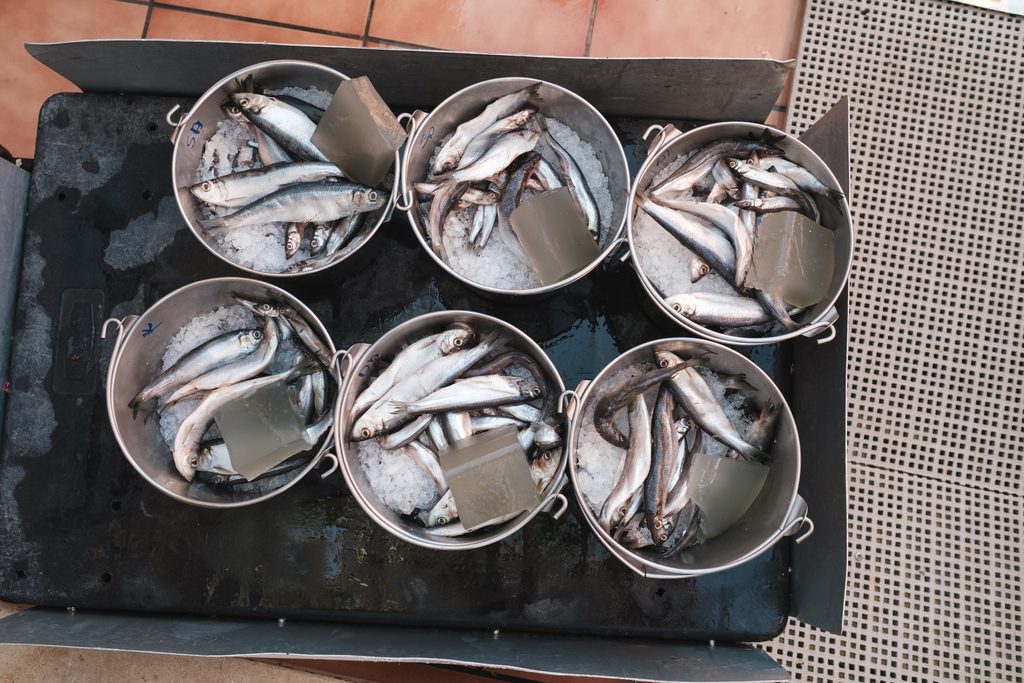
At Marineland Mallorca, talking about animal welfare and sustainability is talking about the same way of understanding the relationship with the environment. Both ideas reinforce each other and mark a way of working in which the care of animals, respect for their natural behaviour and environmental responsibility move in the same direction.
A shared view of care and the environment
When a space dedicated to wildlife takes animal welfare as a priority, it is also making decisions that affect its environmental impact, the visitor experience and the way conservation is interpreted. These are not isolated concepts. It is an integrated vision that puts responsibility at the centre.
In this approach, sustainability is not only a matter of resources. It also involves thinking about the use of space, daily management, environmental education and the way in which each activity can generate a more conscious relationship with nature. Thus, animal welfare and sustainability become two commitments that support each other.
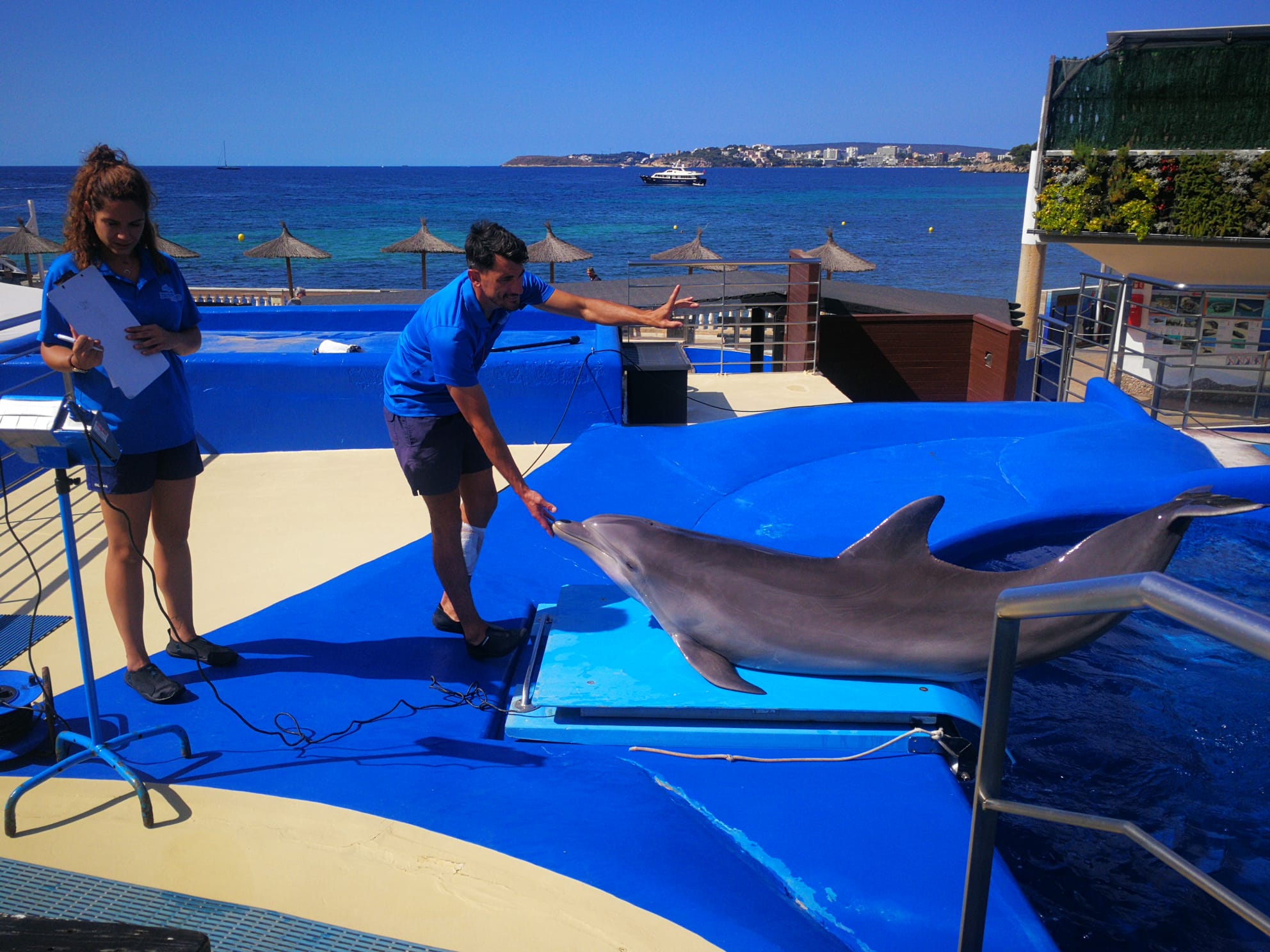
El cuidado de los animales y el respeto por el entorno no son objetivos separados: forman parte de una misma cultura de responsabilidad.
This perspective helps to build more coherent experiences for those who visit Marineland Mallorca. It also allows a clear message to be communicated: enjoying marine life and fauna in general requires attention, sensitivity and a real commitment to their protection.
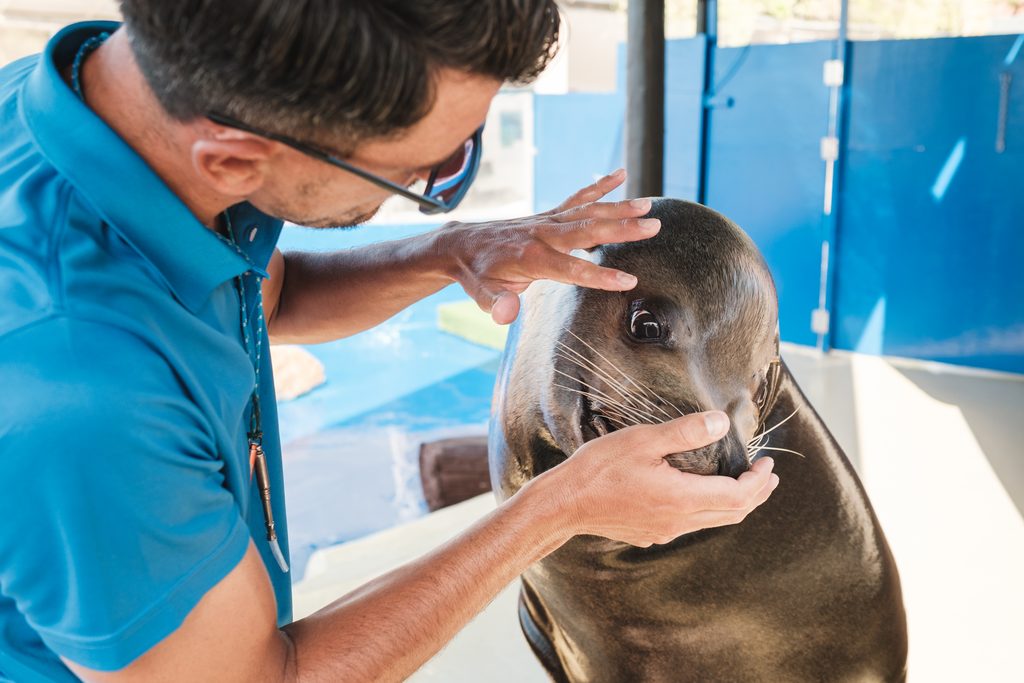
Animal welfare as the basis of any responsible experience
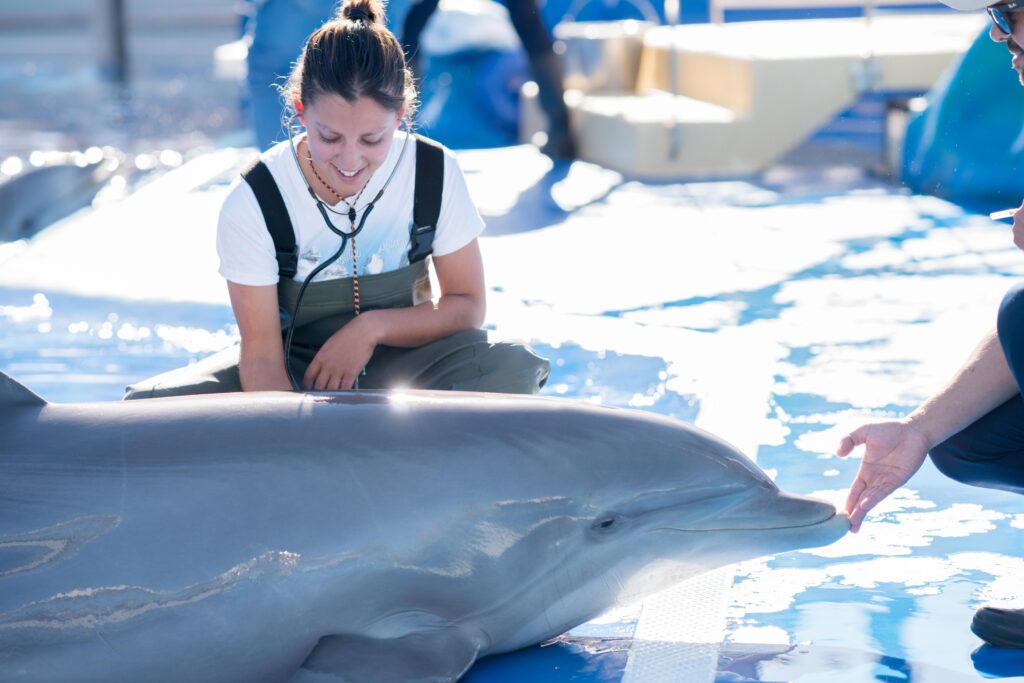
Animal welfare is not limited to offering punctual care. It includes observing, understanding and respecting the physical and behavioural needs of each species. It involves creating the right conditions for animals to develop in an environment designed for them, with routines, supervision and constant attention.
In a centre like Marineland Mallorca, this commitment translates into a way of working that prioritises professional criteria and sensitivity towards animals. The idea is simple, but essential: the better their needs are understood, the more responsible and educational the visit is.
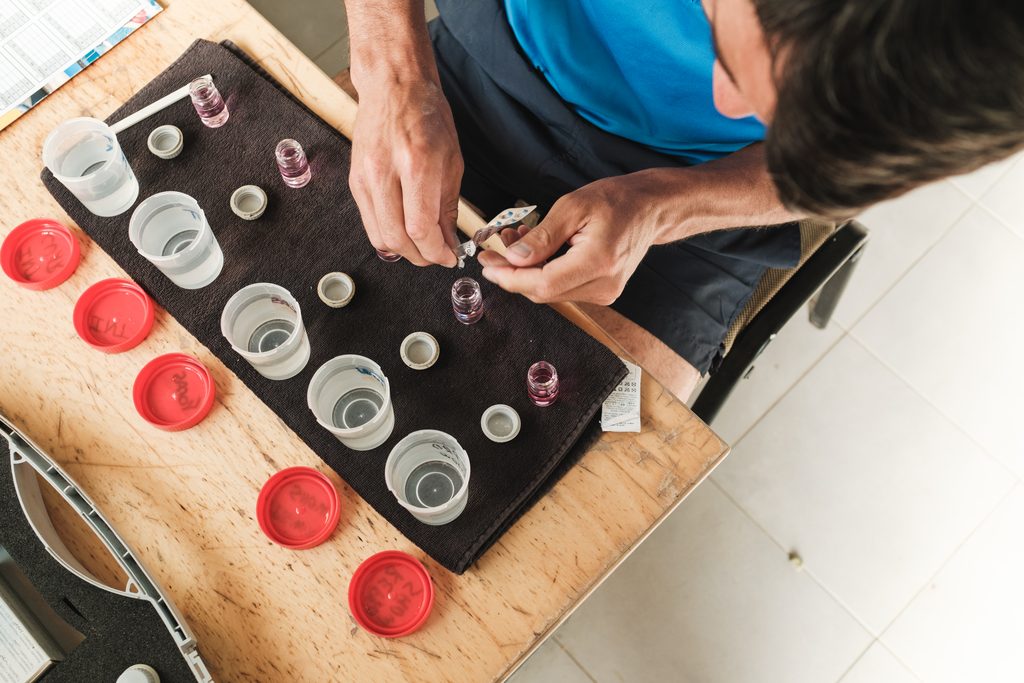
What it means to put animals at the centre
Putting animals at the centre means looking beyond mere observation. It means assessing their behaviour, their rhythms and their specific needs. It also means recognising that every operational decision must take into account their welfare as the main criterion.
This approach favors a more respectful experience for everyone. The visitor better understands the importance of silence, proper distance, responsible observation and the need not to interfere with the natural behavior of animals.
- Respect for the rhythms and needs of each species.
- Continuous care by specialized teams.
- Environments designed to promote responsible care.
- Visitor education to encourage respectful behavior.
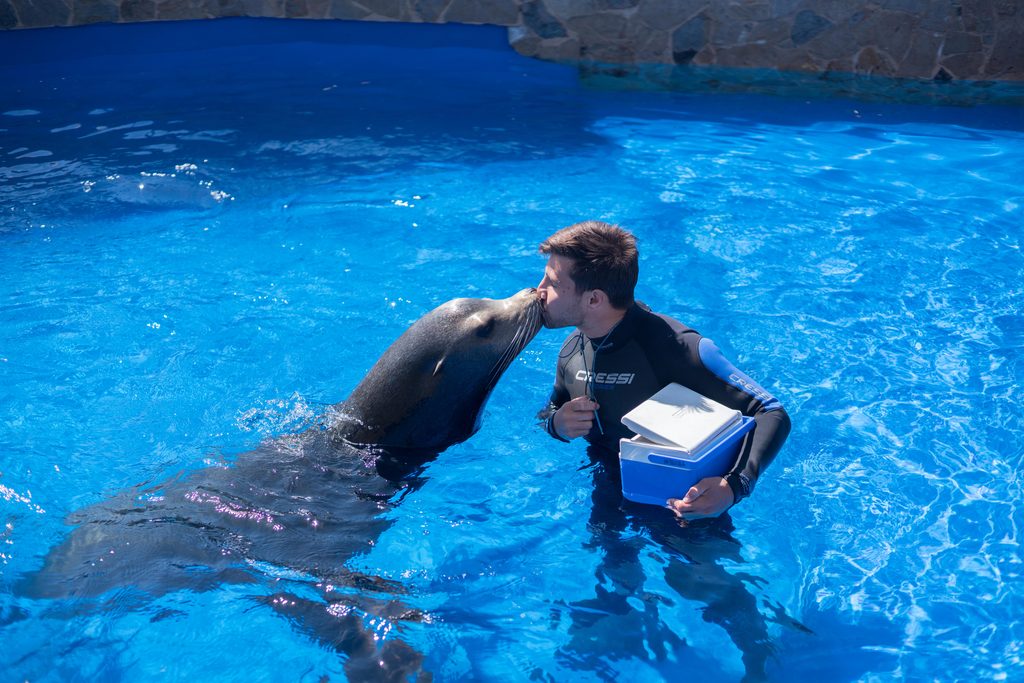
All this contributes to a more conscious visit, in which curiosity is accompanied by knowledge and fun is understood from a responsible perspective. This balance is key for the experience to have value beyond the present moment.
Sustainability applied to everyday life
To talk about sustainability at Marineland Mallorca is to talk about everyday decisions. It is an idea that is built with habits, management criteria and a view to continuous improvement. It does not depend on a single gesture, but on a set of coherent actions that seek to reduce the impact and promote a more balanced relationship with the environment.
Sustainability also has an educational dimension. When the visitor perceives that every detail matters, they better understand that conservation is not an abstract concept. It is a daily practice that begins with the way you look, act and interpret the space you visit.
Small decisions that add up
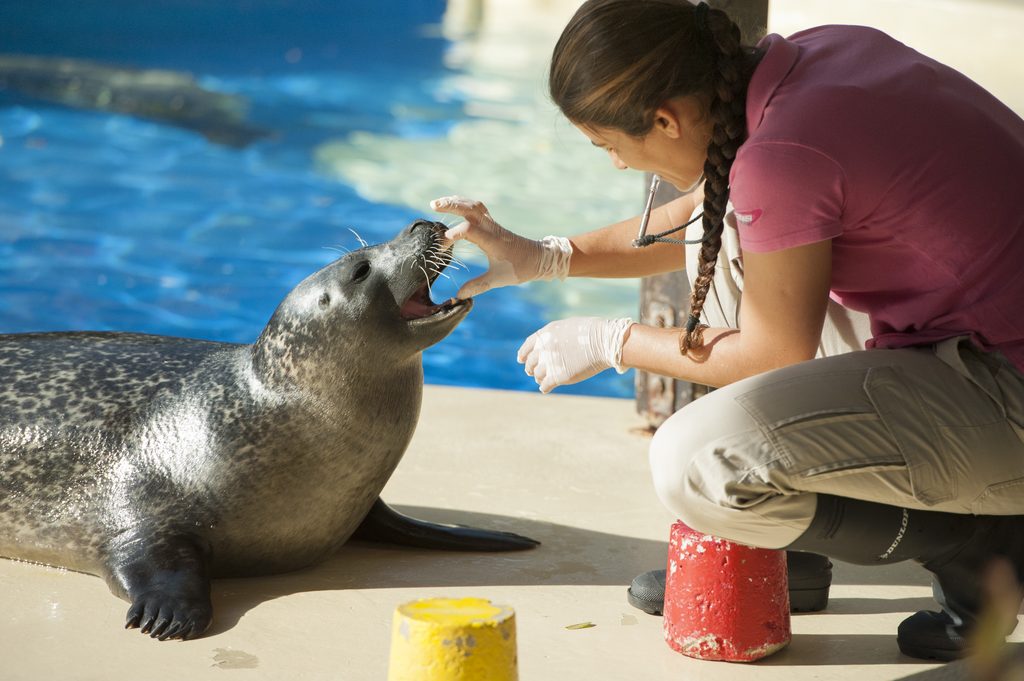
In an environment committed to the environment, small decisions take on a special value. The organization of spaces, the responsible use of resources and the planning of activities can contribute to a more efficient and respectful experience.
The way in which the message is conveyed is also important. A clear and close discourse helps the public understand that sustainability is not a trend, but a shared need. And when that message is accompanied by concrete examples, it is easier to turn it into real habits.
- Promote responsible use of common spaces.
- Encourage an orderly and environmentally friendly visit.
- Reinforce environmental education in every interaction.
- Remember that every gesture counts in the protection of the natural environment.
Sustainability, understood in this way, is not presented as an add-on. It is part of the identity of the place and the way in which a more conscious relationship is built with nature and with those who visit it.
Education and awareness to transform the visit
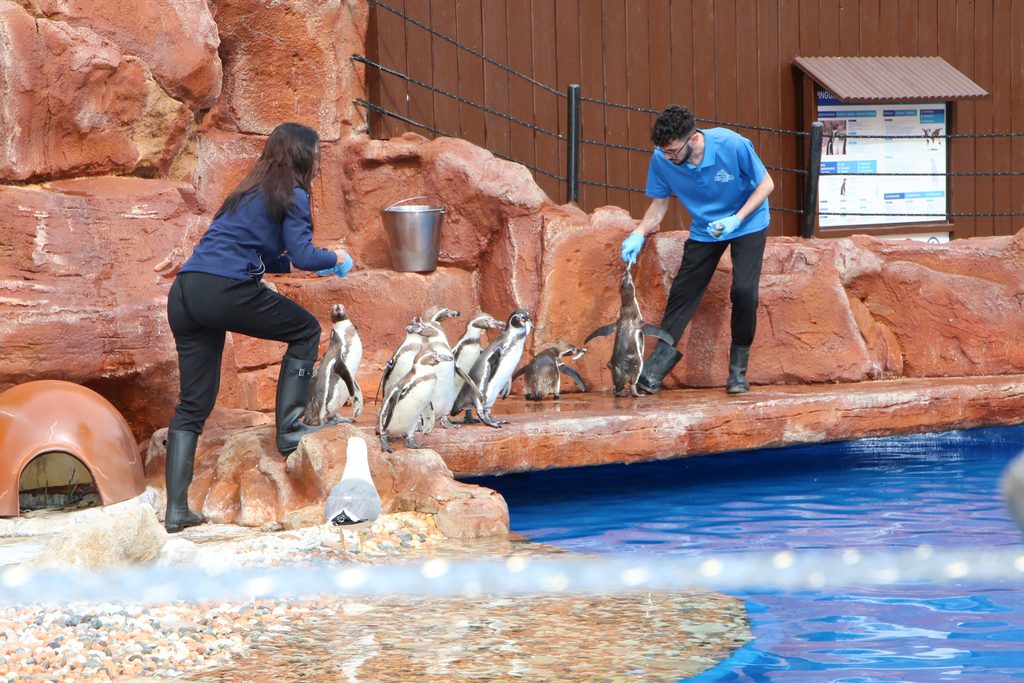
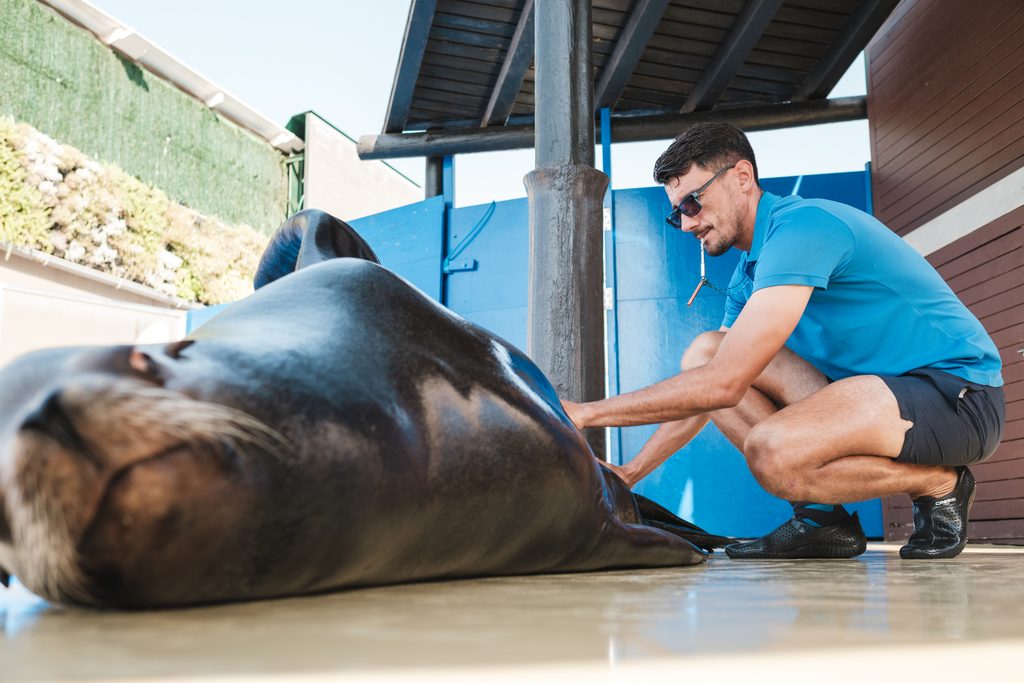
One of the great values of a space like Marineland Mallorca is its ability to raise awareness. The visit can become an opportunity to learn to observe with respect, to value biodiversity and to understand why animal welfare and sustainability are so closely linked.
Environmental education works best when it is close and understandable. It does not need to be complicated to be useful. It is enough to offer clear messages, well-thought-out experiences and a context that invites reflection on the importance of protecting animal life and the environment that makes it possible.
How to convey a responsible message
Transmitting a responsible message implies speaking clearly and coherently. It also means avoiding contradictions between what is said and what is done. When the visitor’s experience is aligned with the values that are communicated, learning is more authentic.
That learning can come from many details: a well-focused explanation, a recommendation for respectful behavior or an invitation to observe calmly. Each of these elements contributes to forming a more conscious look at the role of people in the conservation of the natural environment.
- Explain why respect is part of the experience.
- Invite observation without altering animal behavior.
- Encourage an attentive and responsible attitude during the visit.
- Relate each activity to a broader idea of conservation.
In this way, learning is not limited to specific information. It becomes a way of interpreting the environment with more sensitivity and an opportunity to take that awareness beyond the visit.
A commitment that looks to the future
The value of combining animal welfare and sustainability is that both concepts point to the future. They speak of continuity, responsibility and constant improvement. They also remind us that taking care of wildlife and taking care of the environment are two ways of protecting what really matters.
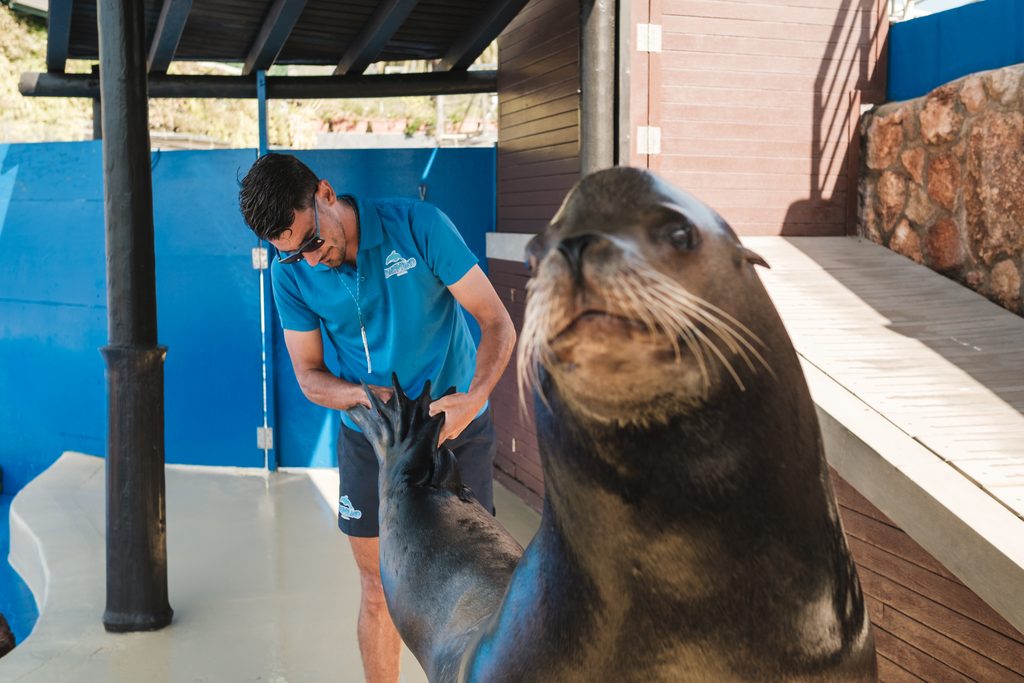
At Marineland Mallorca, this commitment is expressed in a way of understanding the experience that combines observation, learning and respect. It is not just about visiting a place. It is about being part of a proposal that invites you to look at nature more carefully and to take an active role in its care.
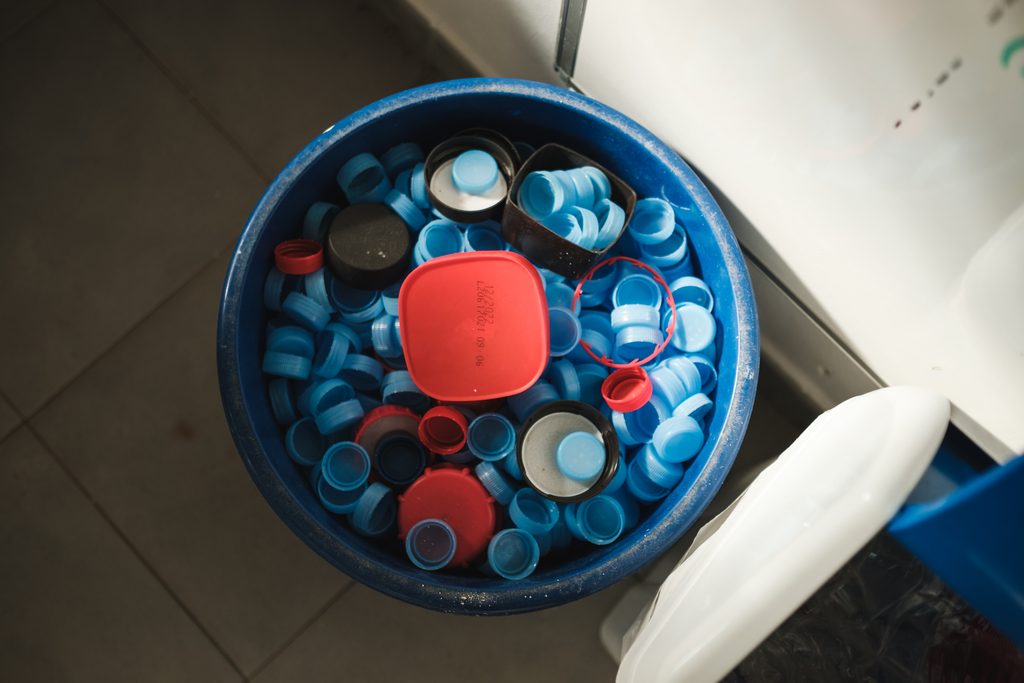
When sustainability is integrated into the routine and animal welfare is taken as a reference, the result is a more solid and more coherent experience. An experience that inspires, educates and leaves a positive mark on those who live it.
For this reason, talking about animal welfare and sustainability is not an isolated statement. It is a way of understanding the present and building a future in which respect for life and the environment always go hand in hand.